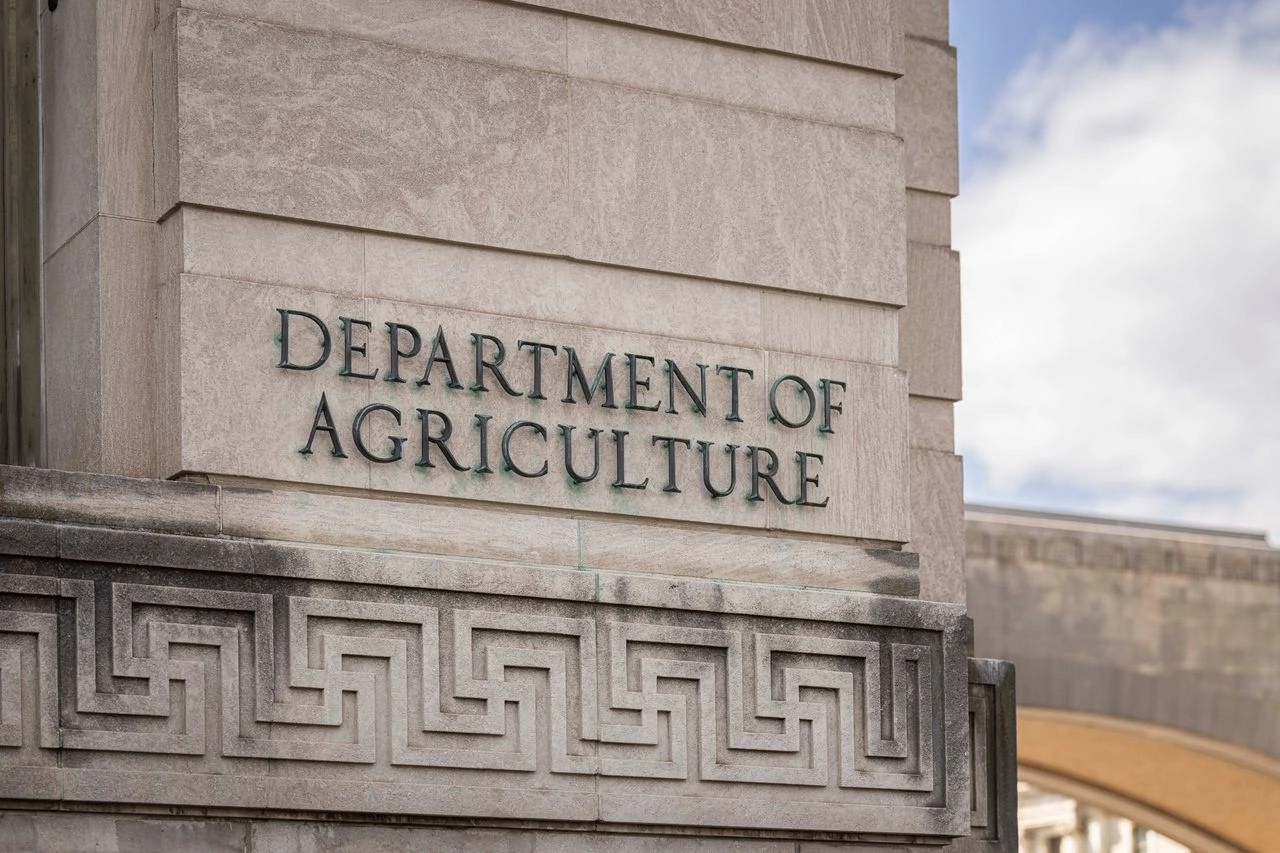
When female founders search for capital, federal programs administered by the United States Department of Agriculture often fly under the radar. Many business owners assume USDA funding is exclusively meant for traditional farming operations. In reality, the agency manages a wide range of grant and loan initiatives aimed at empowering small enterprises, processing facilities, and commercial ventures operating in rural communities.
While there are technically no standalone usda grants for women exclusively set aside for female applicants, women owned businesses frequently receive priority scoring and targeted outreach under USDA economic development guidelines. Whether you run a specialty food company, an agricultural venture, a local retail storefront, or a commercial enterprise, understanding how to navigate these programs can unlock significant non repayable funding.
Here is a clear guide on how USDA grants work, key programs to explore, and what women entrepreneurs need to qualify.
What Makes USDA Grants Unique for Women Entrepreneurs
The USDA focuses heavily on economic development, job creation, and infrastructure expansion across rural America. To qualify for most USDA business grants, your venture must operate within an eligible rural zone. The agency generally defines rural areas as towns or cities with populations of 50,000 residents or fewer, though many specific grant tracks prioritize communities under 20,000 residents.
While the USDA does not operate a single grant exclusively reserved for female founders, the agency actively prioritizes underserved groups. Women business owners frequently receive priority scoring points during application reviews, making female led ventures highly competitive.
Related post: 30 Best Business Grants for Women in 2026
Major USDA Business Grant Programs
The USDA manages several distinct funding streams depending on your industry, business stage, and operational goals.
Value Added Producer Grant
The Value-Added Producer Grant is one of the most popular federal grants for agricultural producers, specialty food makers, and farm-based ventures. If your business transforms an agricultural commodity into a value-added product, such as turning organic berries into gourmet jam or raw wool into textile products, this grant is designed for you.
- Funding Amounts: Up to $50,000 for planning grants and up to $200,000 for working capital grants.
- Matching Requirement: Requires a 1 to 1 dollar match in cash or eligible in-kind contributions.
- Eligible Expenses: Market research, feasibility studies, processing costs, packaging, advertising, and operational inventory.
Rural Business Development Grants
The Rural Business Development Grant program supports targeted technical assistance, training, and growth activities for small and emerging private businesses in rural areas. Small businesses eligible for these project benefits must employ fewer than 50 people and generate less than $1 million in gross annual revenue.
- Funding Amounts: Grants generally range from $10,000 to $500,000, though smaller funding requests are often given higher priority.
- Matching Requirement: No formal cost sharing or matching funds required.
- Eligible Uses: Equipment acquisition, property renovation, business counseling, feasibility studies, and product development.
Rural Energy for America Program
The Rural Energy for America Program provides guaranteed loan financing and grant funding to agricultural producers and rural small businesses. The goal is to help small enterprise owners install renewable energy systems or make energy efficiency improvements to lower operational overhead.
- Funding Amounts: Grants cover up to 50% of total project costs, with maximum awards reaching $500,000 for energy efficiency projects and $1,000,000 for renewable energy installations.
- Eligible Projects: Solar panel installations, energy efficient heating and cooling upgrades, biomass systems, and insulation improvements for commercial spaces.
Basic Eligibility Requirements
While specific grant tracks carry individual rules, general USDA grant eligibility focuses on three primary factors:
- Location: Your physical business or project site must be located within an eligible rural area as determined by USDA Rural Development maps.
- Business Size: Your company must meet small business standards, typically defined as fewer than 50 employees and under $1 million in gross revenues for rural development grants.
- Citizenship and Ownership: At least 51% of the business must be owned by U.S. citizens or legal permanent residents.
How to Prepare a Winning Application
Federal grant applications are detailed and require thorough documentation. Understanding how to know if you’re ready for funding can save you time and prevent costly mistakes during submission. To give your business the best chance of securing a USDA award, focus on these steps:
1. Register Your Business Early
To apply for any federal grant, your company must be fully registered in the System for Award Management database and hold a Unique Entity ID. Registration is completely free, but verification can take several weeks, so starting early is critical.
2. Build a Solid Business Plan
USDA reviewers evaluate how effectively your project will create jobs, generate revenue, and support the local economy. Knowing how to structure a business plan that attracts funding ensures you present clear financial projections, operational goals, and market research.
3. Establish Clear Match Funding
For programs like the Value-Added Producer Grant that require cost sharing, you must demonstrate verified matching funds through bank statements, firm loan commitments, or documented in kind labor.
4. Connect with Your Local USDA State Office
Every state has dedicated USDA Rural Development representatives. Reaching out to your regional coordinator early allows you to verify your location eligibility, confirm application deadlines, and receive feedback on your project scope before formal submission.
Related post: How to Find Business Grants for Women: 19 Practical Tips for 2026
Tip: If your company is in its early stages and working toward operational milestones, learning how to build a fundable business will help you align your financial records and governance structure before applying.
In conclusion, USDA grants for women are a powerful source of non-dilutive capital for female founders operating outside major urban centers. By identifying the program that matches your industry, organizing your application materials early, and leveraging local economic support offices, you can position your business to secure vital federal funding.
